Best Pick
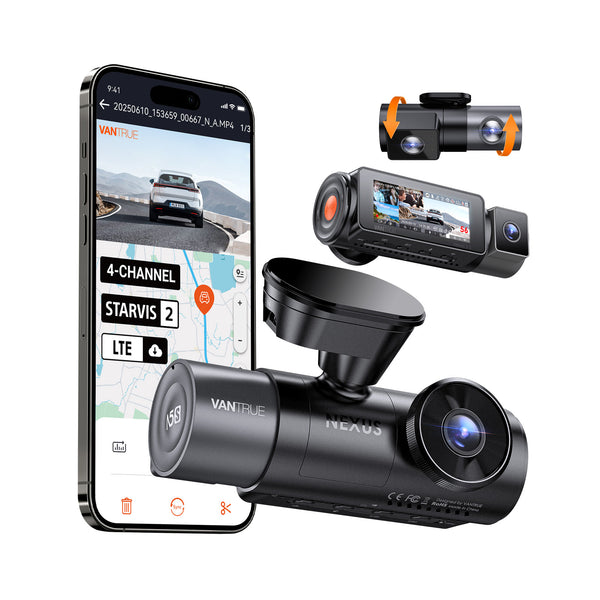
Nexus 5S
$399.99
4-Channel Full Coverage Four STARVIS 2 Sensors LTE Connectivity 10s Buffered Pre-Recording Motion Detection.
TL;DR: For Canadian winter driving, choose a dashcam with reliable cold-weather performance, parking mode, and clear video quality. Models with good heat tolerance and easy installation will provide peace of mind during icy, snowy commutes or long drives.

Canadian winters present unique challenges for dashcams. First and foremost, a dashcam should be able to start reliably in cold weather. Many dashcams are rated to work down to about -20°C or lower, which is critical for provinces like Alberta, Manitoba, or northern Ontario where temperatures frequently dip below this range. Ensure the manufacturer specifies operating temperature ranges suitable for cold climates.
Heat tolerance is also important because interiors of vehicles can become quite warm when parked in direct sunlight on a crisp winter day. Look for dashcams that mention a wide operating temperature range, such as -20°C to +60°C, to ensure durability throughout the season.
Parking mode is a feature every Canadian driver should prioritize. It enables your dashcam to keep recording while your vehicle is parked and turned off, using motion or impact detection. This can capture hit-and-runs on icy lots or vandalism during long winter nights. Some dashcams have built-in batteries for short-term parking mode, but a hardwire kit connected to your fuse box is often more reliable and allows extended parking surveillance without battery drain.
Installation is a practical concern. In cold weather, thick cables and adhesive mounts may be less effective if installed outdoors or during a cold snap. If possible, install your dashcam indoors or during milder weather. Also, make sure the camera’s positioning allows a clear view without being blocked by snow buildup on the windshield. A dashcam with a suction mount or 3M adhesive that remains strong in cold temperature is ideal.
For Canadian drivers prioritizing winter performance and parking surveillance, consider a dashcam with a proven temperature rating and parking mode capability. A good all-around option is a dual-channel camera system that records both front and rear views, since rear collisions in icy conditions are common.
If you often park on the street or in unmonitored outdoor lots throughout winter, invest in a hardwire kit. This allows your dashcam to draw power continuously without draining the vehicle battery, enabling longer and more reliable parking mode recording.
Drivers who need effortless installation and portability may prefer models with built-in batteries, but expect limited parking mode duration. Whichever system you choose, prioritize a clear, high-definition video quality with wide-angle lens to capture critical details such as license plates and road conditions in snowy or low-light settings.
Most dashcams designed for automotive use specify operating temperature ranges that include subzero temperatures. To ensure winter reliability, pick cameras rated for at least -20°C or lower. Always check manufacturer specs and if possible, verify user feedback from Canadian buyers.
A hardwire kit is strongly recommended if you want continuous parking mode monitoring during winter months. It taps into your vehicle’s fuse box for constant power without risking battery drain, enabling longer recording when your vehicle is parked in cold overnight conditions or remote areas.
Automatic internal links to money pages, feature pages, brand pages, and city pages.