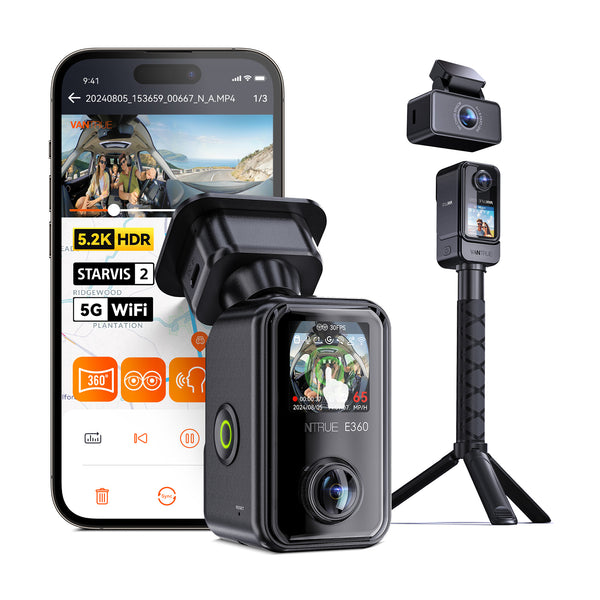
E360 ACE
Front and Cabin: 5.2K 360-degree panoramic recording, Sony STARVIS 2 IMX675 Sensor, Quad-Core CPU offers greater efficiency Multiple recording modes 8 Infrared LED lights improve night vision capability.
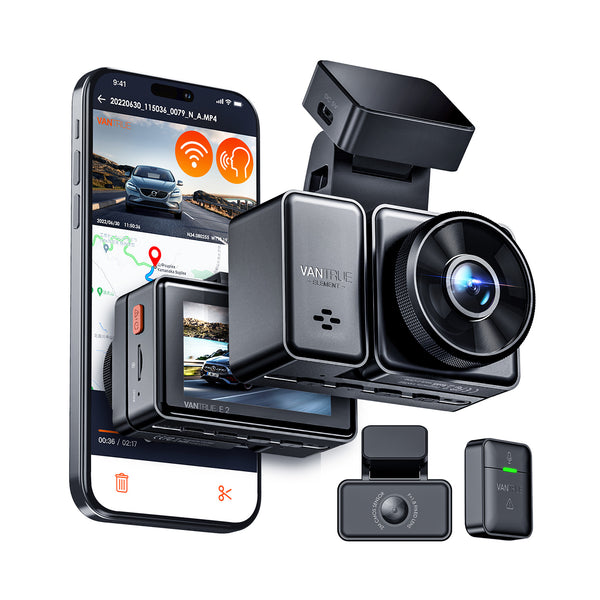
E360 ACE vs Element 2: Long-Term Ownership Comparison is one of the strongest starting points for Canadian dashcam buyers.
This is one of the top-rated dashcams for Canadian drivers. Prices change frequently — check the latest deal below.
Check today’s price before it changes: Check Latest Price
Check Latest PriceQuick take: The Vantrue E360 ACE offers a true 360-degree video capture ideal for comprehensive coverage, while the Element 2 provides robust front and rear recording with enhanced low-light performance, making it a solid choice for most Canadian drivers.
| Feature | Vantrue E360 ACE | Vantrue Element 2 |
|---|---|---|
| Video Capture | 360° panorama at 2304x1296p | Front: 2.5K 2560x1440p / Rear: 1080p |
| Parking Mode | Motion and impact detection with low power draw | Time-lapse and impact detection |
| Cold Weather Performance | Operates down to -20°C; recommended use of external power source in freezing temperatures | Rated to -10°C; moderate cold tolerance |
| Storage | Supports up to 256GB microSD | Supports up to 256GB microSD |
| Installation | Circular mount, flexible in small vehicles | Standard mount, dual camera setup requires wiring |
| Display | 1.1-inch OLED screen | 2.4-inch LCD touchscreen |
For Canadian drivers, weather resistance and ease of use are key factors. The Vantrue E360 ACE is designed to withstand colder conditions more effectively if supplemented with an external power source, which can prevent battery drain during harsh winters. Its panoramic recording ensures that all angles are covered without additional cameras, reducing installation complexity and cabling issues — an appealing factor for those who prefer a cleaner setup.
On the other hand, the Vantrue Element 2 offers familiar dual-channel coverage, recording both front and back with solid video clarity. Its touchscreen simplifies video review and menu navigation, useful for those who want quick access without a smartphone app. However, it may struggle in extremely low temperatures below -10°C. Canadian buyers in warmer regions or those who store vehicles indoors during winter may find this dashcam suffices without extra winterizing accessories.
When it comes to parking mode, both models provide motion and impact detection, but the E360 ACE's circular lens allows for incident capture from all sides — which could be a decisive advantage in crowded parking lots or snowy conditions obscuring certain angles. The Element 2’s time-lapse mode helps extend parking recording duration but does so with front and rear views only.
The Vantrue E360 ACE is rated to operate in lower temperatures down to -20°C, making it more suitable for colder climates found in Canada’s winter months. Pairing it with an external power source can prevent battery issues in freezing conditions. The Element 2 is rated down to -10°C, which works for milder cold but may face challenges in harsher winter environments.
The E360 ACE features a compact, all-in-one design with a circular mount that generally simplifies installation, especially in smaller vehicles or vans. The Element 2 requires installing and wiring front and rear cameras separately, which can be more involved but offers dedicated coverage for front and rear. Both models support microSD cards and typical 12V power sources.
Automatic internal links to money pages, feature pages, brand pages, and city pages.
Before you choose, check current availability and pricing. Dashcam prices can change often, especially during sales.
Check Latest Price