Best Pick
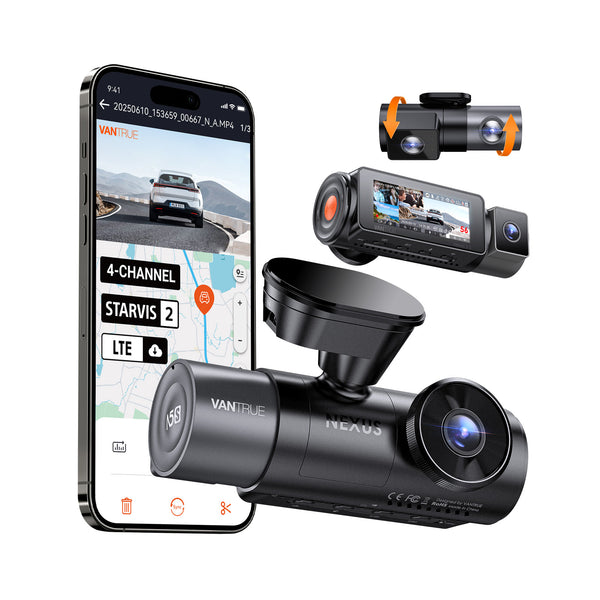
Nexus 5S
$399.99
4-Channel Full Coverage Four STARVIS 2 Sensors LTE Connectivity 10s Buffered Pre-Recording Motion Detection.
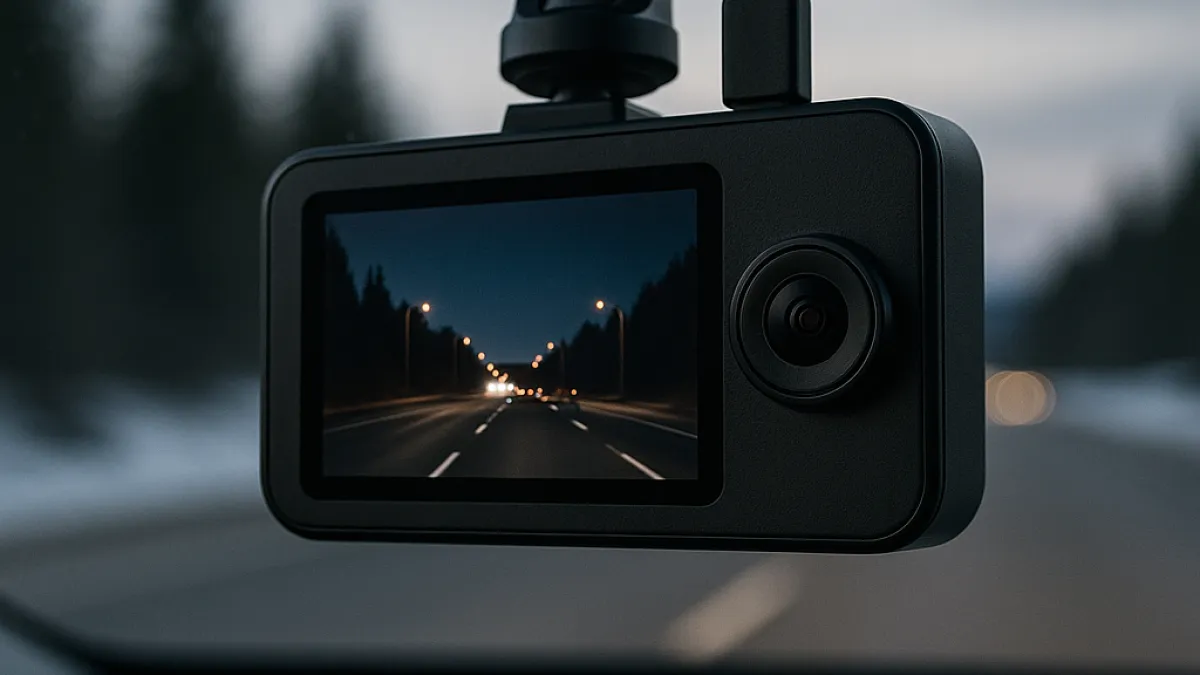
TL;DR: When choosing a dashcam for night driving in Canada, prioritize features like high dynamic range (HDR), infrared or low-light sensors, and robust parking mode with motion detection to ensure clear footage in low visibility conditions.

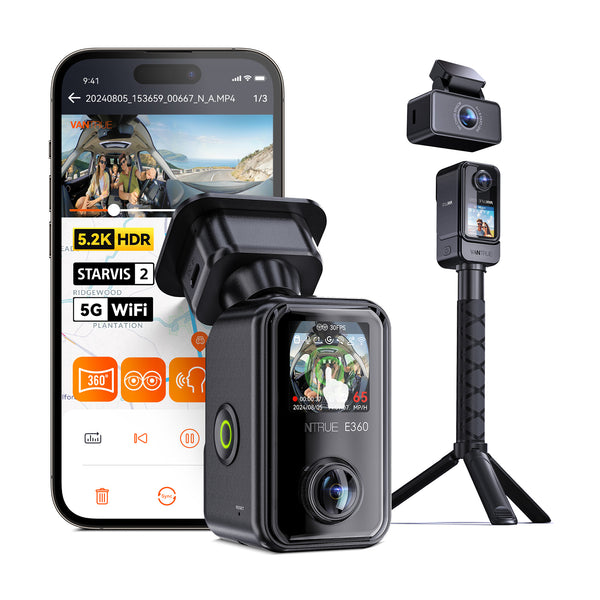
Canada’s unique weather patterns and climate make certain dashcam features especially important for night driving and year-round use:
For Canadian drivers who prioritize night driving safety and security, purchasing a dashcam with advanced low-light features like HDR and infrared is worth the investment. Models equipped with Sony STARVIS sensors tend to deliver some of the clearest night footage available without excessive noise.
If you mostly drive in urban environments with street lighting, a dashcam with strong WDR and noise reduction may suffice. However, for rural or poorly lit areas, infrared illumination or enhanced night vision helps to capture critical details when ambient light is minimal.
Parking mode is essential for anyone parking on city streets or in public lots overnight. A dashcam that supports a hardwire kit will ensure continuous power without draining your car battery, especially in Canadian winters, where cold weather affects battery performance. If you prefer a plug-and-play option, look for models with built-in supercapacitors or battery packs designed to handle cold starts.
To sum up, invest in a dashcam tailored for Canadian conditions with these key specs:
| Feature | Why it matters |
|---|---|
| HDR/WDR | Balances bright headlights and shadows for clear night footage |
| Low-light sensor (Sony STARVIS) | Improves image quality in dim conditions |
| Infrared/night vision | Enhances recording where no light is available |
| Parking mode with motion detection | Captures events when vehicle is parked and locked |
| Hardwire kit compatibility | Provides constant power without battery drain in cold climates |
Most quality dashcams designed for automotive use operate reliably in winter temperatures well below freezing. Look for thermal operating ranges covering at least -20°C, which is typical for Canadian winters. Make sure to use a hardwire kit or firmware with battery protection for consistent operation, as cold weather can reduce battery efficiency and may prevent the dashcam from starting without external power.
A hardwire kit is recommended if you want your dashcam’s parking mode to remain active without draining your car’s 12V battery. It safely draws limited power directly from your vehicle’s fuse box, ideal for full-time monitoring overnight or when the vehicle is parked outdoors. If you only use the dashcam while driving or have a model with a supercapacitor, a hardwire kit may not be necessary.
Automatic internal links to money pages, feature pages, brand pages, and city pages.