Best Pick
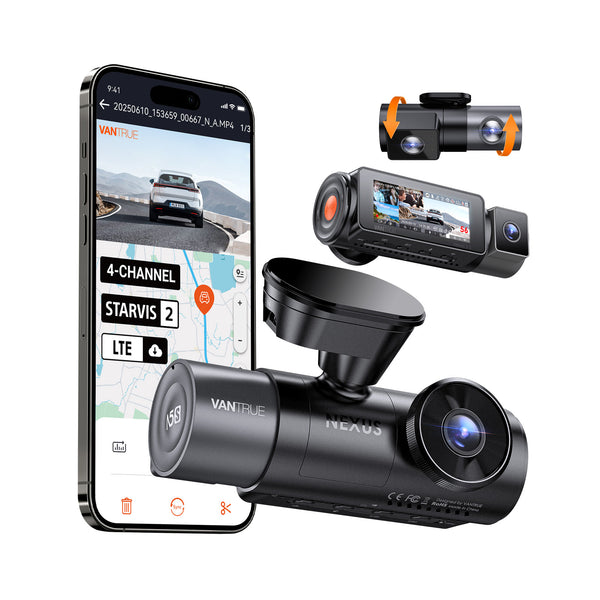
Nexus 5S
$399.99
4-Channel Full Coverage Four STARVIS 2 Sensors LTE Connectivity 10s Buffered Pre-Recording Motion Detection.
Do You Need Front and Rear Dashcams in Canada? is one of the strongest starting points for Canadian dashcam buyers.
This is one of the top-rated dashcams for Canadian drivers. Prices change frequently — check the latest deal below.
Check today’s price before it changes: Check Latest Price
Check Latest PriceTL;DR: For Canadian drivers, front and rear dashcams provide comprehensive coverage essential for capturing accidents and incidents from both perspectives, improving evidence quality and peace of mind year-round.

When selecting dashcams for use in Canada, it’s important to choose models designed to withstand extreme temperatures that range from harsh winters to summer heat. A dashcam that performs reliably during cold starts ensures continuous operation even on frigid mornings, which is a must for provinces like Ontario, Quebec, and Alberta.
Parking mode is another key feature that protects your vehicle while parked — recording any impacts or suspicious activity without draining your car battery. Many dashcams support motion detection or impact-triggered recording in this mode but may require a hardwire kit or an external battery pack for stable power supply during extended parking hours.
Easy installation and discreet placement matter as well. Dashcams with adhesive mounts that work on both the windshield and rear window are preferred, and Canadian buyers often benefit from models with adjustable lenses to handle varying vehicle sizes and rear window angles.
If you want comprehensive protection and evidence for insurance claims or police reports, investing in both front and rear dashcams is wise. A front-only dashcam may miss critical events happening behind you, especially at intersections or while stopped in traffic.
For daily commuters and families, dual-channel dashcams provide peace of mind by ensuring that every angle is covered. Choose a model with solid cold-weather ratings and parking mode capabilities if your vehicle is frequently parked outdoors during winter nights.
Conversely, if budget or installation constraints limit your options, prioritize a high-quality front dashcam first, then add a rear camera later. Look for models with Canadian customer support and firmware updates to address local conditions.
Yes, high-quality dashcams with good temperature ratings start and operate well in Canadian winter conditions. Look for devices tested to at least -20°C and consider models with built-in temperature controls or backup batteries to prevent shutdowns during cold spells.
A hardwire kit is recommended if you want parking mode functionality without draining your car battery. It connects the dashcam directly to your vehicle’s fuse box, allowing continuous power and reliable recording while parked. Alternatively, external battery packs offer a simpler but temporary solution.
Automatic internal links to money pages, feature pages, brand pages, and city pages.
Before you choose, check current availability and pricing. Dashcam prices can change often, especially during sales.
Check Latest Price