Best Pick
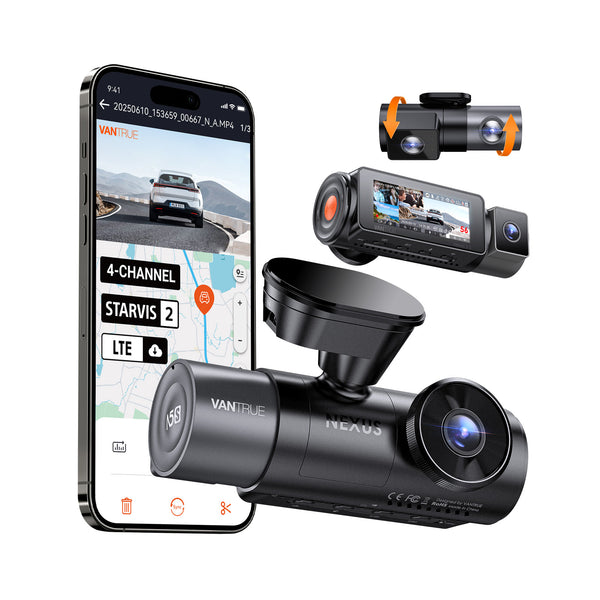
Nexus 5S
$399.99
4-Channel Full Coverage Four STARVIS 2 Sensors LTE Connectivity 10s Buffered Pre-Recording Motion Detection.
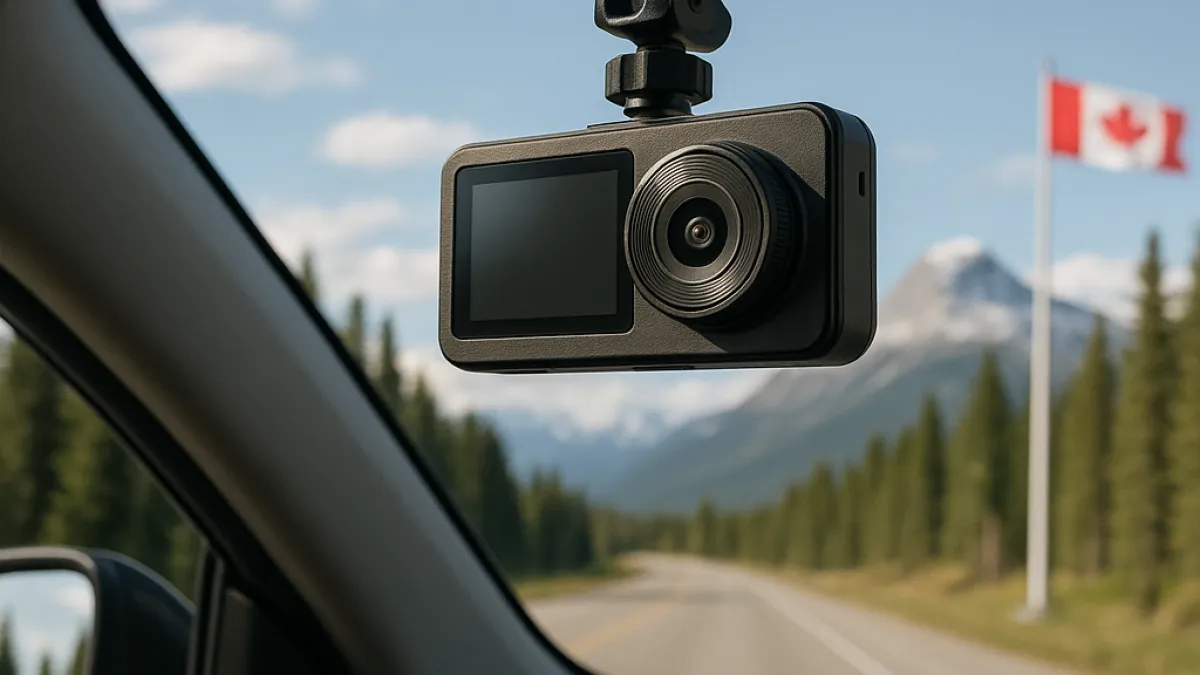
Where to Mount a Dashcam Without Blocking Your View is one of the strongest starting points for Canadian dashcam buyers.
This is one of the top-rated dashcams for Canadian drivers. Prices change frequently — check the latest deal below.
Check today’s price before it changes: Check Latest Price
Check Latest PriceTL;DR: The best place to mount a dashcam is behind the rearview mirror at the top center of your windshield, ensuring it doesn’t block your view while capturing a clear forward perspective.

Canada’s varying climate and road conditions mean that your dashcam’s placement and features are especially important. Cold winters can affect your dashcam’s startup and battery performance, so opt for models designed to handle low temperatures or use a hardwire kit to provide a stable power source.
Heat tolerance is also crucial during the warmer months or when parking in direct sunlight. Some dashcams include parking mode with motion or impact detection; installing the camera where it remains powered and able to capture clear footage without obstruction is key.
When installing, consider these points:
For Canadian drivers seeking a practical and effective dashcam setup, mounting the camera behind the rearview mirror offers the best balance of safety and functionality. This location minimizes windshield obstruction while providing an optimal view of the road ahead.
If you drive in extremely cold areas, like Northern Canada, choose dashcams with operating temperature ranges down to -20°C or lower, or hardwire your device to the vehicle’s electrical system, ensuring continuous power even when the engine is off.
Models like the Vantrue N4 or Thinkware U1000 are known for their durable build and refined parking mode features—both ideal for Canadian conditions. The Vantrue N4’s triple-channel recording helps capture front, rear, and interior views, but mounting still follows the same sensible placement principles.
Ultimately, prioritize correct placement on your windshield, proper cable routing, and a dashcam suited to Canada’s temperature range to avoid blind spots, ensure legal compliance, and protect your investment long-term.
Yes, a properly mounted dashcam will function in winter; however, ensure your model supports cold-weather operation or use a hardwire kit so it remains powered. Also, keep the windshield clean of ice and snow for an unobstructed view, and allow the dashcam to acclimate if coming in from extreme cold before use.
A hardwire kit is recommended if you want your dashcam to operate in parking mode or avoid battery drain during long stops. It connects your dashcam directly to your vehicle’s fuse box for consistent power and is especially beneficial in cold Canadian winters, where battery performance can be reduced.
Automatic internal links to money pages, feature pages, brand pages, and city pages.
Before you choose, check current availability and pricing. Dashcam prices can change often, especially during sales.
Check Latest Price