Best Pick
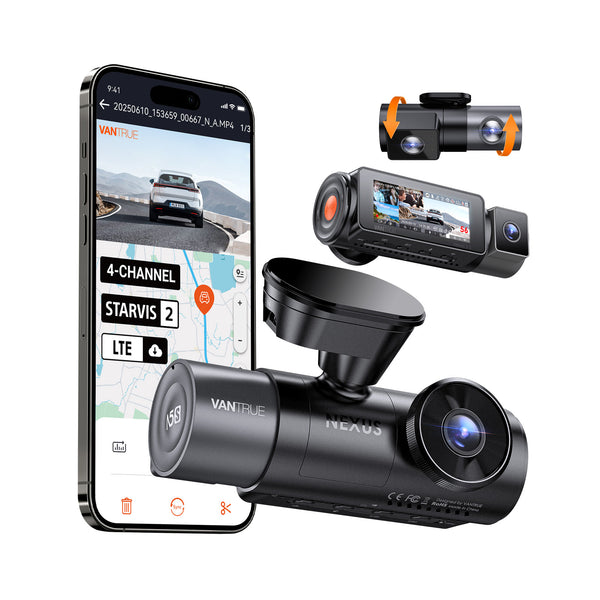
Nexus 5S
$399.99
4-Channel Full Coverage Four STARVIS 2 Sensors LTE Connectivity 10s Buffered Pre-Recording Motion Detection.
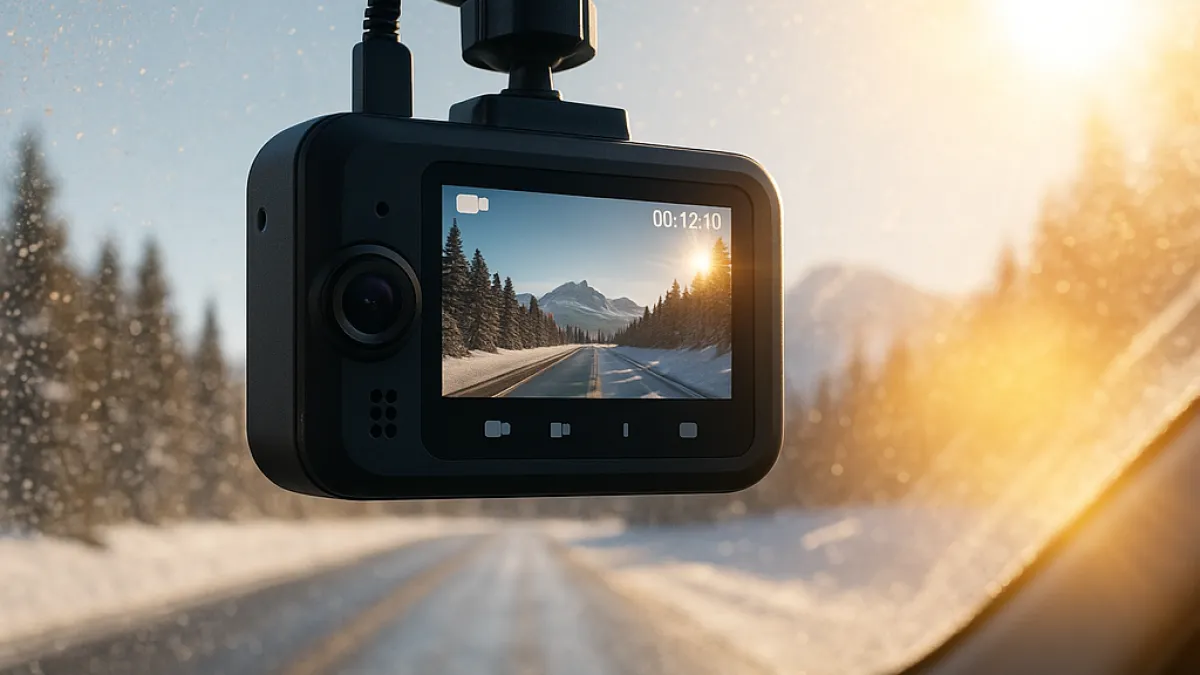
How Road Salt and Windshield Glare Affect Dashcam Footage is one of the strongest starting points for Canadian dashcam buyers.
This is one of the top-rated dashcams for Canadian drivers. Prices change frequently — check the latest deal below.
Check today’s price before it changes: Check Latest Price
Check Latest PriceTL;DR: Road salt buildup and windshield glare can significantly reduce dashcam footage clarity in Canadian winters; choosing a dashcam with strong night vision, wide dynamic range, and effective mounting positions helps capture clearer video in harsh conditions.

When buying a dashcam for use in Canadian conditions, consider features that address the challenges posed by winter weather and road maintenance practices. Cold starts and temperature tolerance are critical, as models not rated for cold weather might fail or record poor-quality video in freezing temperatures.
Look for dashcams with advanced image sensors supporting Wide Dynamic Range (WDR) or High Dynamic Range (HDR). These help balance bright glare spots and darker shadows, improving video clarity during sunrise, sunset, or snowy glare situations common in Canadian winters. Some models include built-in polarizing filters or the ability to add them, minimizing reflections on the windshield that impact footage quality.
Another important feature is low-light performance. Since Canadian winters have shorter daylight hours and frequent overcast skies, dashcams with Sony STARVIS or similar high sensitivity sensors deliver clearer video during dawn, dusk, or nighttime driving.
Also consider the installation location. Mounting the dashcam behind the rearview mirror, away from direct sun glare paths and on a spot of the windshield that is frequently cleaned, can reduce interference from salt or dirt buildup. Some users opt for regular maintenance such as wiping the windshield area where the dashcam records, to keep the lens view clear.
Parking mode is a handy feature for Canadians who might leave their vehicles outside during snowstorms or salt application. Look for models that offer motion detection and impact recording while powered by a hardwire kit or an external battery pack designed for cold environments.
For Canadian buyers focused on reliable dashcam footage throughout the winter, prioritize a model with proven cold-resistance and excellent dynamic range. Consider devices like the Viofo A129 Pro Duo or Thinkware U1000, which are recognized for solid performance in varying light conditions and include features suited for challenging environments.
If budget is a concern but winter performance remains a priority, options like the Nextbase 322GW offer good image quality and WDR at a more accessible price point, though still consider installing a polarizing filter to mitigate glare.
Regardless of the model chosen, pairing your dashcam setup with a windshield treatment or frequent cleaning to combat road salt buildup is crucial. Investing in a hardwire kit with low-voltage cut-off ensures that parking mode operates safely in cold weather without draining your vehicle battery.
Canadian drivers frequently dealing with salty highways and bright winter glare will benefit most from dashcams combining physical glare reduction, weather durability, and intelligent video processing—ensuring your footage remains intact, useful, and clear even when winter conditions are at their worst.
Yes, but only if the dashcam is rated for cold temperatures and installed properly. Units with WDR/HDR and low-light sensors improve footage during overcast, glare, and snowy conditions common in Canadian winters. Regular cleaning of the windshield where the camera mounts also helps maintain clear footage.
A hardwire kit is recommended if you want reliable parking mode recording without worrying about battery drain. In cold Canadian winters, it also prevents issues caused by weak vehicle batteries and ensures continuous power to features like motion detection while your vehicle is off.
Automatic internal links to money pages, feature pages, brand pages, and city pages.
Before you choose, check current availability and pricing. Dashcam prices can change often, especially during sales.
Check Latest Price