Best Pick
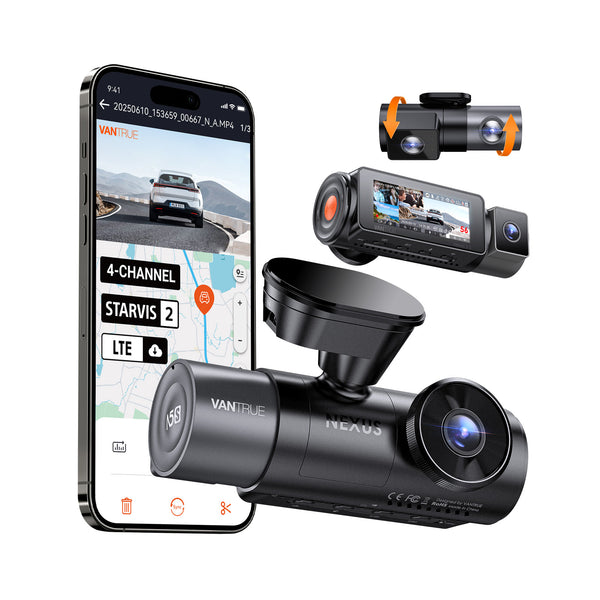
Nexus 5S
$399.99
4-Channel Full Coverage Four STARVIS 2 Sensors LTE Connectivity 10s Buffered Pre-Recording Motion Detection.
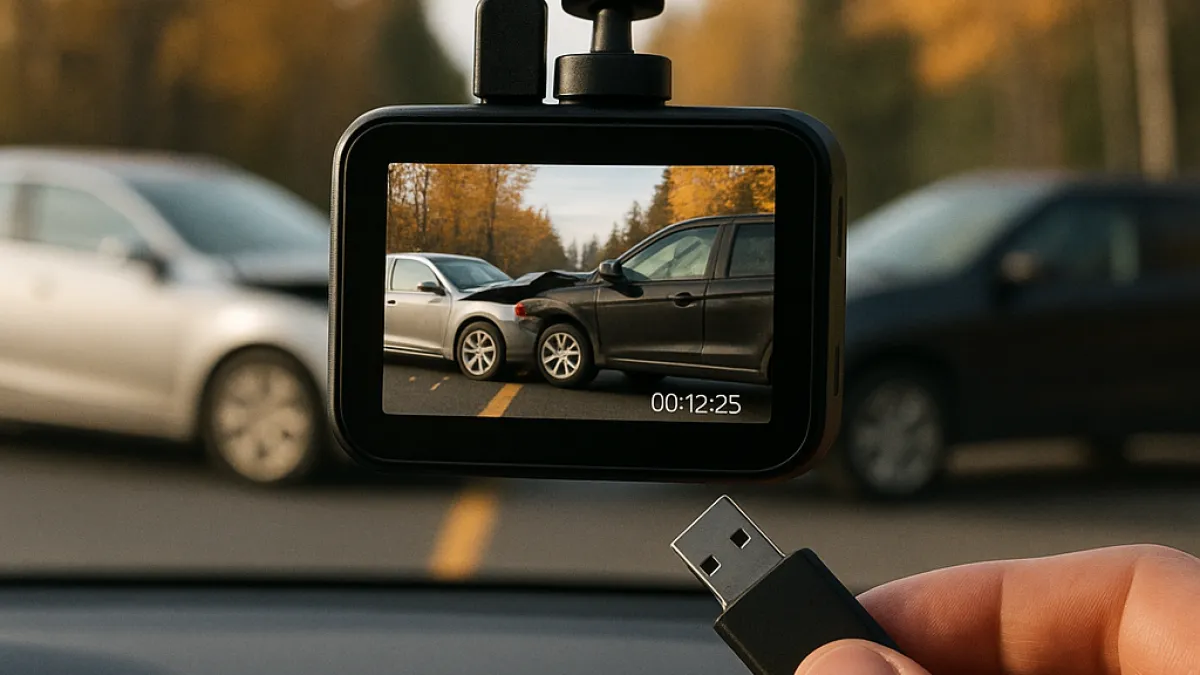
How to Save Dashcam Footage After a Collision is one of the strongest starting points for Canadian dashcam buyers.
This is one of the top-rated dashcams for Canadian drivers. Prices change frequently — check the latest deal below.
Check today’s price before it changes: Check Latest Price
Check Latest PriceTL;DR: To save dashcam footage after a collision in Canada, ensure your dashcam has G-sensor impact detection and automatic emergency lock features, regularly back up files to a secure location, and know how to retrieve recordings promptly to support insurance or legal claims.

Canada’s diverse climate presents unique challenges for dashcam reliability and footage preservation. A dashcam with cold start capability means it powers on quickly even in freezing temperatures, ensuring no critical moments are missed during winter drives. Models with heat tolerance protect the device from damage during hot summer months, especially if the vehicle is parked in direct sunlight.
Parking mode is crucial for Canadian drivers who want footage of their vehicle while unattended. This mode uses motion detection or impact sensors to start recording upon detecting disturbances around your parked car. When installing in Canada, consider professional installation or using a hardwire kit to power the dashcam directly from the vehicle battery. This ensures continuous operation without draining your car’s 12V outlet or relying solely on the internal battery, which may be unreliable in extreme temperatures.
After a collision, dashcams equipped with a G-sensor automatically flag and lock the recording to prevent deletion or overwriting. It is essential to locate and extract this footage as soon as possible to provide evidence for insurance or police reports.
Here’s a practical step-by-step process to save collision footage:
Popular dashcam models like the Vantrue N4 and Garmin Dash Cam Mini 2 offer reliable impact detection and easy file export options. These are handy choices for Canadian drivers aiming for hassle-free incident documentation.
Dashcams typically loop-record by overwriting older files once storage is full. This makes timely saving of collision footage critical. Regularly back up your videos, especially after long drives or when an incident occurs. Use high-quality microSD cards rated for continuous video capture (Class 10 or UHS-1 minimum) to reduce file corruption risks common in cold weather.
Additionally, update your dashcam’s firmware periodically. Manufacturers often improve detection algorithms, file stability, and compatibility, which helps ensure your recordings after a collision remain intact and easy to access.
Yes, quality dashcams designed for Canadian use support cold start operation and durable storage media. Choosing models with these features ensures reliable recording even in sub-zero temperatures common across Canadian provinces during winter months.
A hardwire kit is recommended if you want continuous recording, especially in parking mode, without draining your vehicle’s battery. Hardwiring lets the dashcam draw power directly from the car’s fuse box, providing stable operation which is essential in cold Canadian climates to avoid sudden shutdowns.
Automatic internal links to money pages, feature pages, brand pages, and city pages.
Before you choose, check current availability and pricing. Dashcam prices can change often, especially during sales.
Check Latest Price