
How to Clean a Dashcam Lens and Windshield for Clearer Video
🏆 Best Overall Pick
How to Clean a Dashcam Lens and Windshield for Clearer Video is one of the strongest starting points for Canadian dashcam buyers.
This is one of the top-rated dashcams for Canadian drivers. Prices change frequently — check the latest deal below.
Check today’s price before it changes: Check Latest Price
Check Latest PriceChoose by need
TL;DR: Regular cleaning of both your dashcam lens and windshield ensures clear video footage, especially important in varied Canadian weather conditions. Using gentle, non-abrasive cleaning tools and appropriate cleaners will help maintain optimal image quality without damaging your equipment.


Quick overview
- Use microfibre cloths and lens-safe cleaning solutions for the dashcam lens.
- Clean the windshield both inside and out to remove dirt, grime, and streaks.
- Perform regular maintenance to avoid blurry or obstructed video recordings.
How to properly clean your dashcam lens and windshield
Clear video footage is crucial for dashcam footage to be useful in any driving or insurance situations. In Canada, where weather conditions vary greatly through the year, dirt and condensation on the lens and windshield can significantly degrade quality.
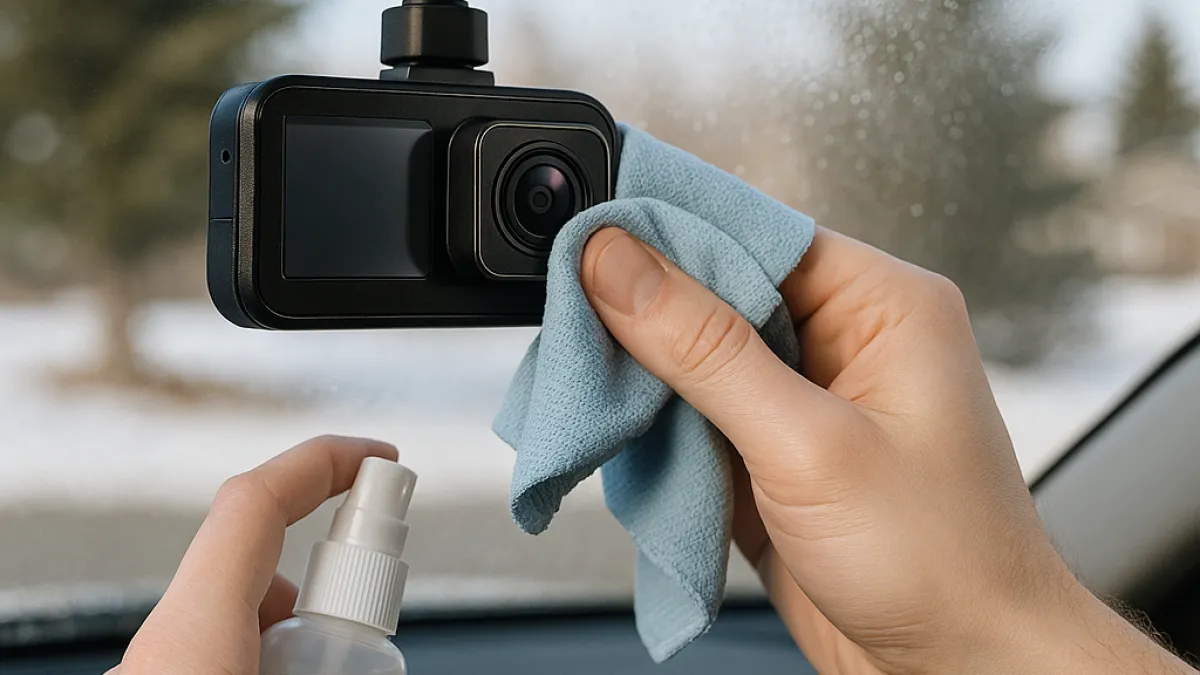
Cleaning the dashcam lens
The dashcam lens is delicate and can be easily scratched or damaged if cleaned improperly. Follow these practical steps:
- Turn off the dashcam: Always power down your device before cleaning to protect internal components.
- Use a microfiber cloth: Avoid paper towels or regular cloth, which can scratch lenses. Microfiber is gentle and effective.
- Apply lens cleaner or distilled water: Use lens cleaning fluid suitable for camera lenses, or simply dampen the cloth with distilled water to avoid residue buildup.
- Wipe gently in circular motions: Avoid pressing too hard to prevent damage to the lens coating.
- Check for smudges or fingerprints: Repeat if necessary, but never use harsh chemicals like ammonia or household glass cleaners on the lens.
Cleaning the windshield
Since the dashcam captures footage through the windshield, keeping it clean inside and out is equally important:
- Exterior cleaning: Use automotive glass cleaner or a vinegar-water mix with a microfiber cloth or paper towel designed for glass. Remove bugs, road grit, and grime.
- Interior cleaning: Dust and oils from your hands can create smudges inside; clean the windshield using the same glass-safe products on a soft cloth.
- Avoid streaks: Wipe with vertical or horizontal strokes and avoid cleaning during direct sunlight which can cause faster drying and streaking.
- Special considerations: In winter, clear frost or ice completely before driving. Use a proper scraper and windshield-safe defrosters rather than hot water, which can crack glass.
What to look for in Canada
Canadian drivers face unique challenges that affect dashcam cleaning and maintenance:
- Cold weather impact: Condensation and frost on the lens or windshield can obscure image quality. Keeping the vehicle warm before driving and using silicone windshield treatments can reduce build-up.
- Heat tolerance: Summer sun and heat inside a parked vehicle can cause dust to stick to surfaces or damage electronics—regular cleaning and proper parking can help.
- Parking mode considerations: If your dashcam offers parking surveillance, regularly check and clean the lens to ensure motion detection and event capture remain reliable.
- Installation tips: Position the dashcam so the lens has the clearest, least obstructed view through the windshield. Avoid mounting behind tint bands or stickers that can collect dust.
Does this work in winter?
Yes, cleaning your dashcam lens and windshield before and after winter drives is vital. Removing frost and condensation improves video clarity. Use an ice scraper on the windshield and keep your dashcam housed to limit condensation buildup. Avoid using hot water to clear ice, as sudden temperature changes might crack the glass.
Do I need a hardwire kit?
A hardwire kit lets you power your dashcam directly from your vehicle’s fuse box, supporting features like parking surveillance mode without draining your car’s battery. For Canadian buyers who want continuous monitoring and easy cable management, especially in extreme weather, a hardwire kit is a practical upgrade—though not mandatory for basic dashcam operation.


Related Articles
- Is E360 ACE Still Worth Buying in Canada? (review • 2026-07-29)
- Who Should Buy Element 2 in Canada? (review • 2026-05-20)
- Element 2 Winter Driving Review for Canada (review • 2026-05-20)
- Who Should Buy Nexus 4S in Canada? (review • 2026-05-20)
- Nexus 4S Winter Driving Review for Canada (review • 2026-05-20)
- Nexus 4S Pros and Cons for Canadian Drivers (review • 2026-05-19)
Recommended next pages
More buyer guides and comparison paths
Automatic internal links to money pages, feature pages, brand pages, and city pages.
Ready to compare prices?
Before you choose, check current availability and pricing. Dashcam prices can change often, especially during sales.
Check Latest Price